Furnace & Heat Pump Repair
Marion & Western NC
When your heating system stops keeping your home comfortable, start with a diagnosis. AirWatt provides residential heating repair from Marion, with furnace and heat pump troubleshooting across Western North Carolina.
Mon–Fri, 8am–4pm · Serving Western NC
Find the cause, then choose the repair
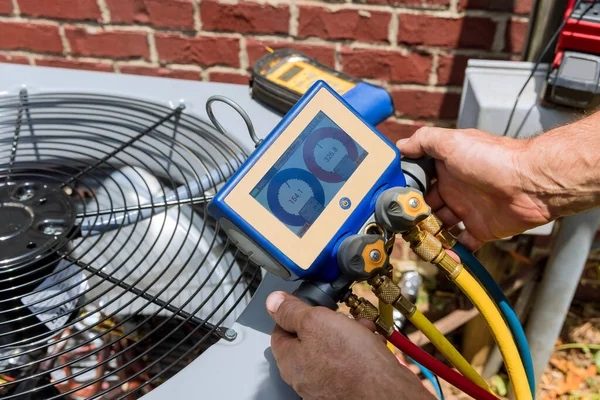
No heat can begin at the thermostat, the equipment or the airflow path. Replacing a part without checking the system can miss the cause.
Gas furnace repair
Tell us if the furnace will not ignite, lights and shuts down, blows cool air or cycles repeatedly. A diagnostic visit can involve the ignition sequence, flame sensing, blower operation, controls and safety devices. The checks depend on the model and symptoms.
Do not remove burner covers, adjust gas valves or keep trying to relight a furnace that will not stay on. A gas odor or carbon monoxide alarm requires leaving the home and contacting emergency services or the gas utility from a safe location.
Electric furnace repair
If the blower runs without useful heat, the issue may involve heating elements, controls, electrical supply or airflow. We check the operating sequence and explain what is needed before proceeding.
Electrical panels and heat-strip assemblies are not homeowner service areas. Do not bypass controls or repeatedly reset a tripping breaker. Share any thermostat messages and whether the fan still runs.
Heat pump not heating?
Tell us whether the outdoor unit runs, how the air feels at the vents, and whether the thermostat shows auxiliary heat. The diagnosis may involve airflow, thermostat setup, electrical controls, defrost operation or the refrigerant circuit.
Auxiliary heat is a clue, not a diagnosis
Backup heat can operate during cold conditions, temperature recovery or defrost. If AUX stays on unusually often and the home is not reaching the set temperature, request a check rather than assuming the thermostat itself is bad.
A brief defrost cycle can be normal. Ice that persists, unusual noise or a system that fails to return to heating deserves professional attention. Do not chip ice off the coil.
For background on backup heat and defrost, see the U.S. Department of Energy heat pump homeowner guide (PDF).
No heat? Start with safe, simple checks
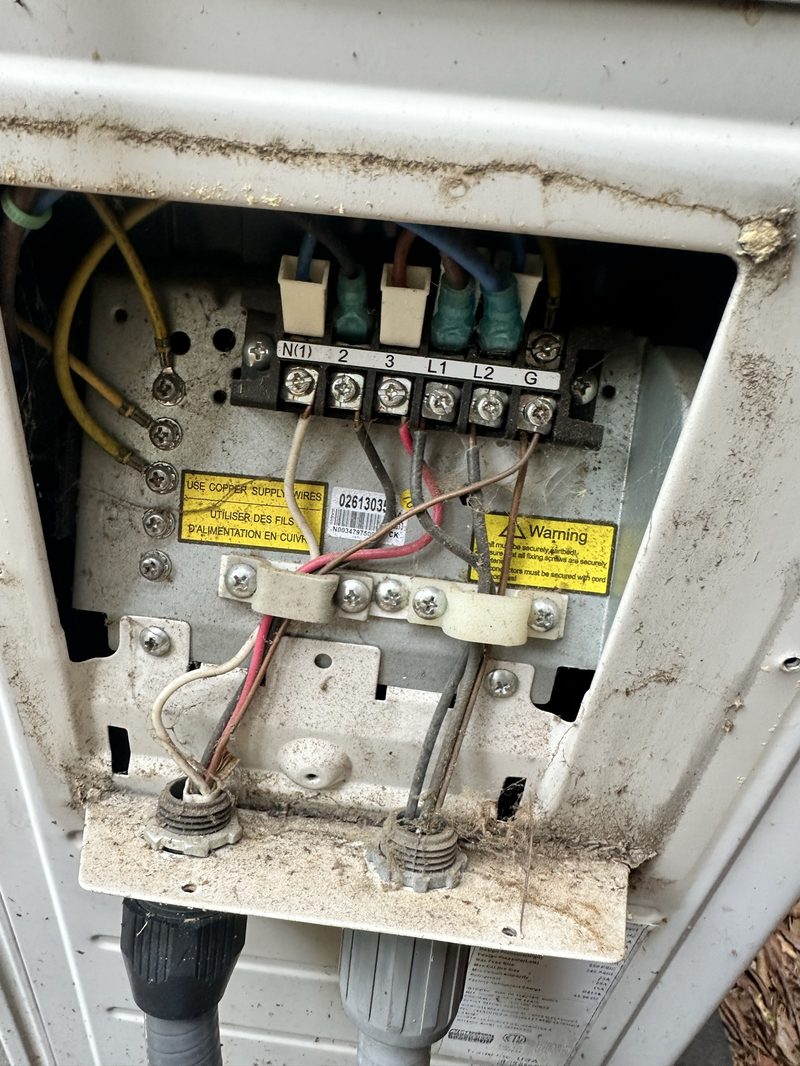
If there is a gas smell, a carbon monoxide alarm, smoke or visible damage, skip troubleshooting. Leave the home and call 911 or your gas utility from outside. Do not operate switches or try to relight equipment.
- Confirm the thermostat is set to Heat and the requested temperature is above the room temperature. Check thermostat batteries if your model uses them.
- Check an easily accessible filter according to the equipment manual. Replace a dirty disposable filter with the specified size and type; do not run the system without a filter.
- Make sure indoor supply and return grilles are not blocked by furniture, rugs or stored items.
- From a safe distance, note whether the outdoor unit is running or has heavy ice. Do not chip ice, pour hot water on it or open electrical panels.
- Write down fault messages, unusual sounds and when the problem began. If a breaker trips repeatedly, stop using the equipment and request service rather than resetting it again.
Leave gas, electrical, refrigerant and internal equipment work to a qualified professional. Never bypass a safety switch. These checks help describe the problem; they do not establish that a system is safe to operate.
What a heating repair visit involves
- Review the problem. We ask when it began, what changed and whether the failure is constant or intermittent. Brand, model and prior repair information can help.
- Inspect and test. We work through checks relevant to your equipment and symptoms, rather than assuming every no-heat call needs the same part.
- Explain the findings. We discuss the proposed work and quote before you decide whether to proceed. Ask about any limitations or additional investigation.
- Repair and verify as appropriate. Approved work depends on parts availability and system condition. If a return visit or a different solution is needed, we explain the next step.
Before the visit, clear a safe route to the indoor and outdoor equipment, secure pets and have thermostat messages ready. You do not need to open panels or identify the failed component yourself.
Repair, maintenance or replacement?
A working system due for routine care belongs on the heating maintenance schedule. No heat, repeated shutdowns or a new fault should be booked as a repair concern so time can be allowed for diagnosis.
A repair-versus-replacement decision depends on equipment condition, the fault, parts availability and your plans for the home. We discuss the findings; an old system does not automatically mean the whole system must be replaced.
Heating repair questions
Can I use emergency heat until the visit?
That setting is equipment-specific and is not a fix for the underlying problem. Follow your manufacturer’s instructions and ask for advice for your exact system. Do not run damaged equipment or equipment associated with a gas smell, carbon monoxide alarm or repeated breaker trips.
Can the repair be completed on the first visit?
That depends on the diagnosis, equipment condition and parts availability. We do not promise same-day completion. Call with the model information and symptoms so we can plan the appointment.
Do you service ductless or dual-fuel heating?
Tell us the model and how the system is configured when you call. We can confirm service availability for your equipment and include both heating sources in the discussion.
Heating service from Marion to nearby communities
AirWatt is based in Marion; the town pages describe service areas, not separate offices. Start with Marion, Morganton, Black Mountain or Hickory, or see all service areas. Confirm your address when scheduling.
We also offer AC repair and appliance repair.
An email is a request, not a confirmed booking. Appointment timing depends on location, schedule and parts availability. For a gas odor, carbon monoxide alarm or fire, leave the home and call 911 or your gas utility from a safe location.